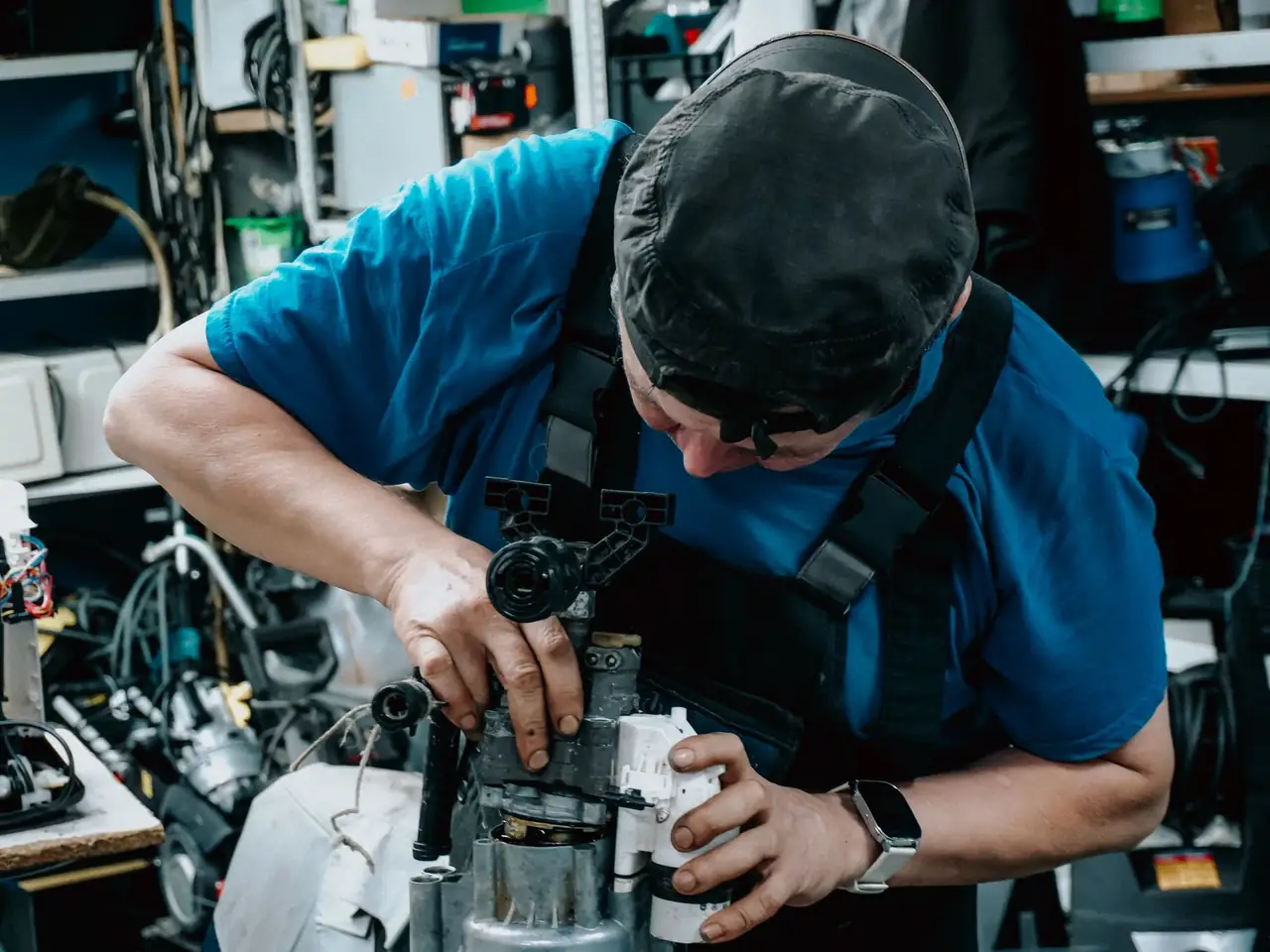
How to troubleshoot a faulty water heater
Discover practical steps to troubleshoot a faulty water heater, tailored for Chicago homeowners.
A faulty water heater can disrupt your daily routine, leading to cold showers and inconvenience. Troubleshooting a faulty water heater involves identifying common issues and applying practical solutions. This guide will walk you through the process of diagnosing and fixing problems with your water heater in Chicago.
How to troubleshoot a faulty water heater is a critical skill for homeowners, especially during the chilly winters when hot water is essential. This article will cover signs of malfunction, troubleshooting steps, and when to seek professional help.
What is a faulty water heater?
A faulty water heater is a system that fails to heat water adequately or operates inefficiently, often leading to inconsistent water temperatures or leaks. Understanding the common issues can help you take timely action.
Common signs of a faulty water heater
Identifying a faulty water heater early can save you from costly repairs. Here are the most common signs:
- Inconsistent water temperature: If you notice that your water isn't consistently hot, it may indicate a problem with the heating element.
- Rusty or discolored water: Rusty water can be a sign of corrosion within the tank.
- Unusual noises: Popping or rumbling sounds often indicate sediment buildup at the bottom of the tank.
- Leaks: Puddles of water around the heater can indicate a leak, which often requires immediate attention.
- Foul odors: If you smell rotten eggs, it could mean bacteria is growing in the tank.
How to troubleshoot water heater issues in Chicago?
When troubleshooting water heater issues in Chicago, start with a systematic approach:
- Check the power supply: Ensure the heater is receiving power. For electric models, check the circuit breaker. For gas models, ensure the pilot light is lit.
- Inspect the thermostat: Adjust the thermostat to a higher setting (120°F is standard) and wait for the water to heat up.
- Flush the tank: Sediment buildup can cause inefficiency. Flushing the tank annually can help maintain performance. Chicago's hard water can contribute to this buildup.
- Examine the heating elements: For electric heaters, use a multimeter to check for continuity. If faulty, they will need replacement.
- Look for leaks: Inspect all connections and the tank itself for signs of leakage.
These steps can help you identify problems with your water heater in Chicago and determine the necessary fixes.
Steps to troubleshoot a water heater in Chicago
Follow these detailed steps to troubleshoot your water heater effectively:
- Turn off the power: Safety is paramount. For electric heaters, turn off the circuit breaker. For gas heaters, turn the thermostat to the 'off' position.
- Check the thermostat settings: Ensure the thermostat is set correctly. If it's too low, adjust it and check if the water heats up.
- Inspect the heating elements: If the heater is electric, check the upper and lower heating elements for functionality. Replace them if they are malfunctioning.
- Flush the tank: Attach a hose to the drain valve and flush the tank to remove sediment. This process typically takes about 30 minutes.
- Test the pressure relief valve: Lift the lever on the valve to release some water. If it doesn't release, the valve may be faulty and should be replaced.
- Reconnect and test: After performing these checks, reconnect the power and monitor the water temperature.
These steps should help you in fixing a faulty water heater Chicago homeowners face frequently.
Common mistakes to avoid
When troubleshooting your water heater, avoid these common pitfalls:
- Ignoring warning signs: Delaying action on signs like leaks or strange noises can lead to bigger problems.
- Not turning off power: Always ensure the power is off before conducting any repairs to avoid electrical shocks.
- Skipping regular maintenance: Regular flushing and inspection can prevent many common water heater issues.
- Using incorrect tools: Ensure you have the right tools for the job, including wrenches and multimeters.
When to call a professional
If troubleshooting doesn't resolve the issue, or if you encounter complex problems, it's time to call a professional. Water Heater Repair Chicago IL offers expert assistance for any water heater issues, ensuring safety and efficiency.
Frequently Asked Questions
What are common signs of a faulty water heater in Chicago? Common signs include inconsistent water temperature, rusty water, unusual noises, leaks, and foul odors.
How to troubleshoot water heater issues in Chicago? Start by checking the power supply, inspecting the thermostat, and flushing the tank to remove sediment buildup.
Should I repair or replace my faulty water heater in Chicago? If repairs exceed 50% of the replacement cost or the unit is over 10 years old, consider replacing it.
How often should I flush my water heater? Flushing your water heater annually is recommended, especially in areas with hard water like Chicago.
What is the average lifespan of a water heater? The average lifespan of a water heater is about 10 to 15 years, depending on the type and maintenance.